Tips for a Fulfilling Experience at the Museum of Popular Art in Cusco
Visiting the Museum of Popular Art in Cusco is an enriching experience that allows you to immerse yourself in the region’s culture and art. Here, we offer a comprehensive guide with tips to help you make the most of your visit.
Introduction to the Museum of Popular Art in Cusco
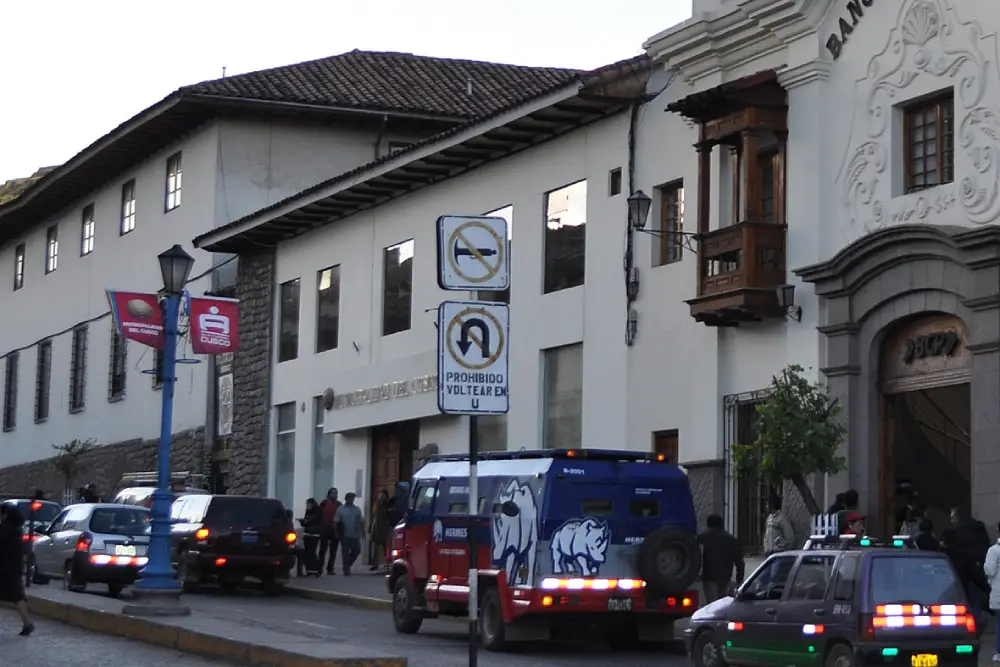
The Museum of Popular Art in Cusco, located in the heart of the city, is a gem that houses a vast collection of folk art pieces, including ceramics, textiles, wood carvings, and much more. This museum is a living reflection of the traditions and creativity of Cusqueñan artisans.
What Can You Expect at the Museum?
- Collection of Popular Art: The museum boasts an impressive collection of artifacts that represent the diverse cultures and traditions of Peru.
- Temporary Exhibitions: In addition to the permanent collection, the museum organizes temporary exhibitions that highlight different aspects of folk art.
- Workshops and Activities: The museum also offers workshops and activities for all ages, where you can learn artisan techniques directly from the experts.
Planning Your Visit to the Museum of Popular Art
Hours and Admission Fees
The Museum of Popular Art in Cusco is open Monday to Saturday from 9:00 am to 6:00 pm. Admission fees are affordable, with discounts available for students, children, and seniors. It is advisable to check the updated hours and fees on the museum’s official website before planning your visit.
How to Get There
The museum is located on Avenida del Sol, one of Cusco’s main thoroughfares. You can easily reach it on foot from the Plaza de Armas or by using public transportation. If you prefer, taxi services are also available throughout the city.
Best Times to Visit
To avoid crowds and enjoy a more peaceful experience, it is advisable to visit the museum early in the morning or late in the afternoon. Weekdays tend to be less busy than weekends.

Tips for a Fulfilling Experience
1.- Bring a Camera
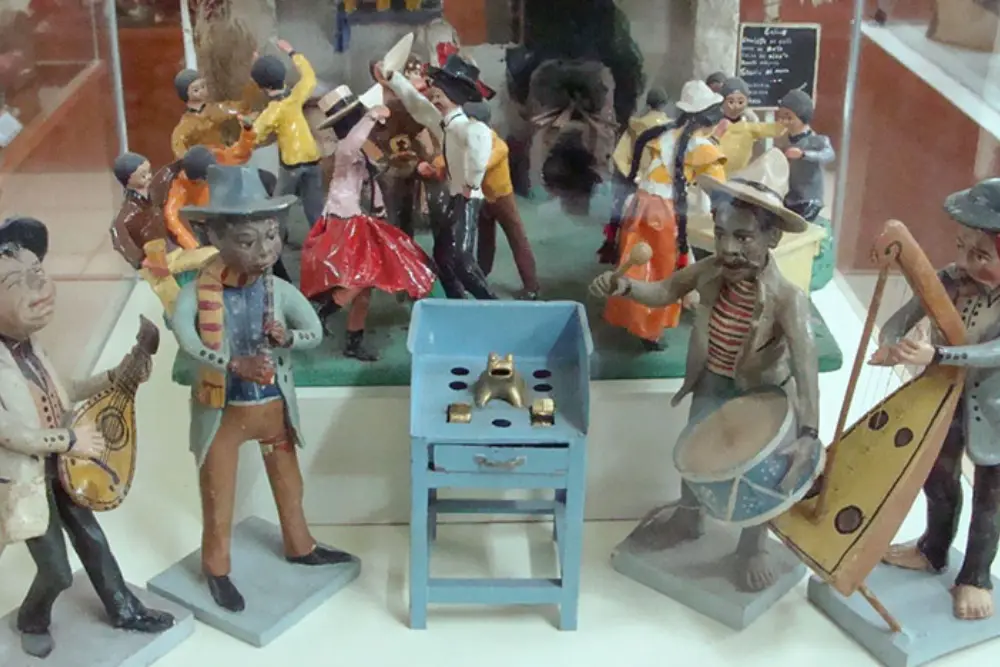
The museum allows photography without flash in most of its rooms. Bringing a camera will enable you to capture the details of the artworks and keep lasting memories of your visit. Be sure to follow the museum’s rules and avoid using flash to protect the pieces.
2.- Participate in the Workshops
One of the best ways to connect with the local culture is by participating in the workshops offered by the museum. These workshops are led by local artisans and give you the opportunity to learn traditional techniques, such as weaving and ceramics.
3.- Visit the Museum Shop
The museum shop offers a wide range of handmade crafts by local artists. Shopping at the store is an excellent way to support the artisans and take home a piece of Cusqueñan culture.
4.- Take Your Time to Explore
The museum is relatively small, but it is packed with information and interesting artifacts. Take your time to read the descriptions and learn about the history and significance of each piece.
History of the Museum of Popular Art in Cusco
Origins and Foundation
The Museum of Popular Art in Cusco was founded with the goal of preserving and promoting local crafts and traditions. Since its opening, the museum has played a crucial role in spreading Cusqueñan culture both nationally and internationally.
Evolution and Expansion
Over the years, the museum has expanded its collection and improved its facilities to offer a more comprehensive experience for visitors. Collaborations with other museums and cultural organizations have enriched the exhibitions and activities offered.
Importance of the Museum for Local Culture
Heritage Conservation
The Museum of Popular Art in Cusco plays a vital role in preserving the cultural heritage of the region. Through its collections and activities, the museum helps keep alive the artisanal traditions that have been passed down through generations.
Education and Cultural Awareness
The museum is not only a place to admire art but also an educational center that offers programs for schools and community groups. These programs foster appreciation and respect for local cultures, contributing to the development of cultural awareness among young people.