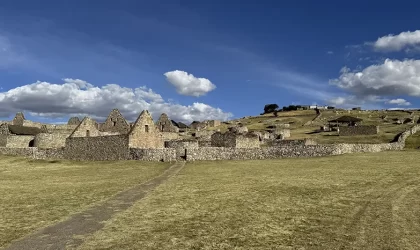
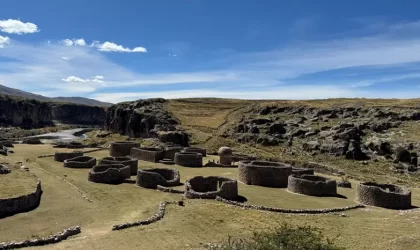
The Ruins of Patallacta: Gateway to the Inca Trail
Exploring Patallacta: A Prelude to Machu Picchu
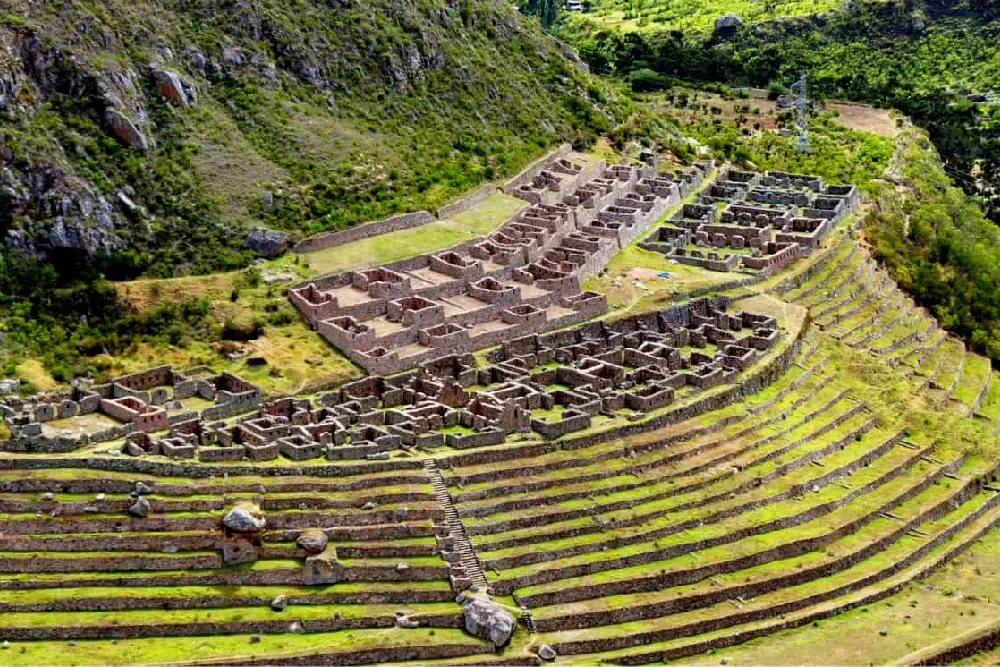
Located in the heart of the Sacred Valley of the Incas, the ruins of Patallacta are an archaeological gem that serves as a prelude to the famous citadel of Machu Picchu. This site, though lesser-known, offers a unique and less crowded experience for those seeking to delve deeper into the rich history of the Inca Empire. Patallacta, meaning “city on the edge,” offers stunning views and an intimate connection to the Incan past.
The History and Role of Patallacta in the Inca Empire
A Strategic Link
Patallacta played a crucial role in the Inca Empire, serving as a control point and redistribution center for agricultural products. Its strategic location along the Inca Trail allowed the Incas to control access to Machu Picchu and facilitate the movement of resources and troops. The agricultural terraces around Patallacta also demonstrate its importance in food production and storage.
An Administrative and Religious Hub
In addition to its military and agricultural functions, Patallacta held religious and administrative significance. The structures indicate the presence of temples and worship sites, where the Incas performed ceremonies and rituals to honor their deities.
How to Get to Patallacta and What to Discover

Access Routes
To reach Patallacta, visitors typically depart from kilometer 82 of the Cusco to Aguas Calientes train line. From there, a moderate 6-kilometer hike along the Inca Trail leads explorers to the ruins. This route offers panoramic views of the Urubamba River and the surrounding valley.
Points of Interest
While exploring Patallacta, visitors can discover a range of significant structures, including agricultural terraces, residential buildings, and temples. The water channels and irrigation systems highlight the advanced engineering of the Incas.
The Architecture and Design of Patallacta
Incan Ingenuity
Patallacta’s architecture reflects the ingenuity and skill of Incan builders. The agricultural terraces are designed to maximize land use and efficiently manage water. The residential and ceremonial structures, built with perfectly fitted stones, have withstood centuries of erosion and earthquakes.
Functional Design
The design of Patallacta was not only aesthetically impressive but also functional. The terraces and channels served not only agricultural purposes but also helped prevent landslides and control erosion.
Patallacta in the Context of the Inca Trail

A Key Stop Along the Route
Patallacta is an important stop on the Inca Trail, which connects several key cities and sites of the empire. Its strategic location makes it an ideal starting point for adventurers heading to Machu Picchu.
Interaction with Other Ruins
The site interacts with other ruins along the Inca Trail, providing a more complete view of the network of roads and infrastructure that held the empire together.

Flora and Fauna Around the Patallacta Ruins
Biodiversity
The area around Patallacta is rich in biodiversity. Visitors can observe a variety of flora, including orchids and bromeliads, as well as fauna such as birds and small mammals. This natural environment adds an extra layer of beauty and interest to the archaeological site.
Conservation of the Natural Environment
Conservation efforts in the area help protect this biodiversity, ensuring that future generations can enjoy Patallacta’s natural richness.
Preserving Patallacta and the Incan Legacy

Conservation Efforts
The preservation of Patallacta is crucial to keeping the history and legacy of the Incas alive. Conservation initiatives focus on restoring structures, controlling tourism, and protecting the natural environment.
Cultural Importance
Patallacta, as an integral part of the Inca Trail, represents an invaluable cultural heritage. Preserving this site ensures that future generations can learn about and appreciate the history and contributions of the Inca Empire.