Discovering the Coffee Route in the Sacred Valley
Coffee Route: A Sensory Journey
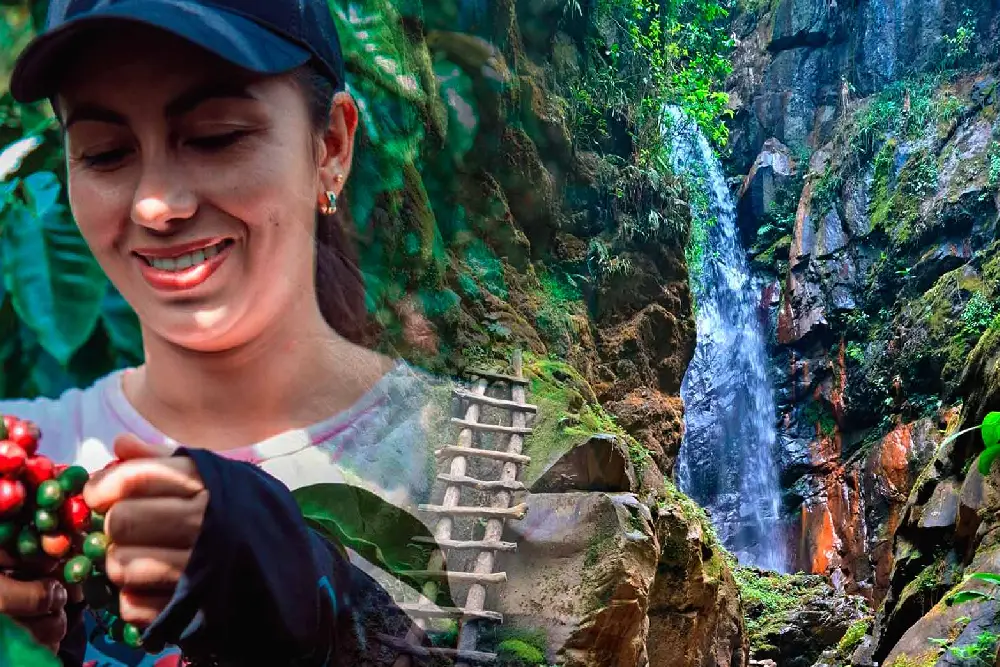
The Sacred Valley of the Incas, known for its stunning landscape and rich history, is also home to a lesser-known but equally fascinating gem: the Coffee Route. This journey offers visitors a unique sensory experience, allowing them to discover the art and science behind the production of high-quality coffee. From the plantations to the cup, the Coffee Route promises an unforgettable trip for coffee lovers and those interested in local culture and economy.
The Coffee Process: From Bean to Cup in the Sacred Valley
Selection and Harvesting of the Beans
Coffee in the Sacred Valley goes through a meticulous process that begins with the selection of the beans. Local farmers cultivate coffee varieties in the optimal conditions that the valley offers, taking advantage of the climate and altitude.
Fermentation and Drying Process
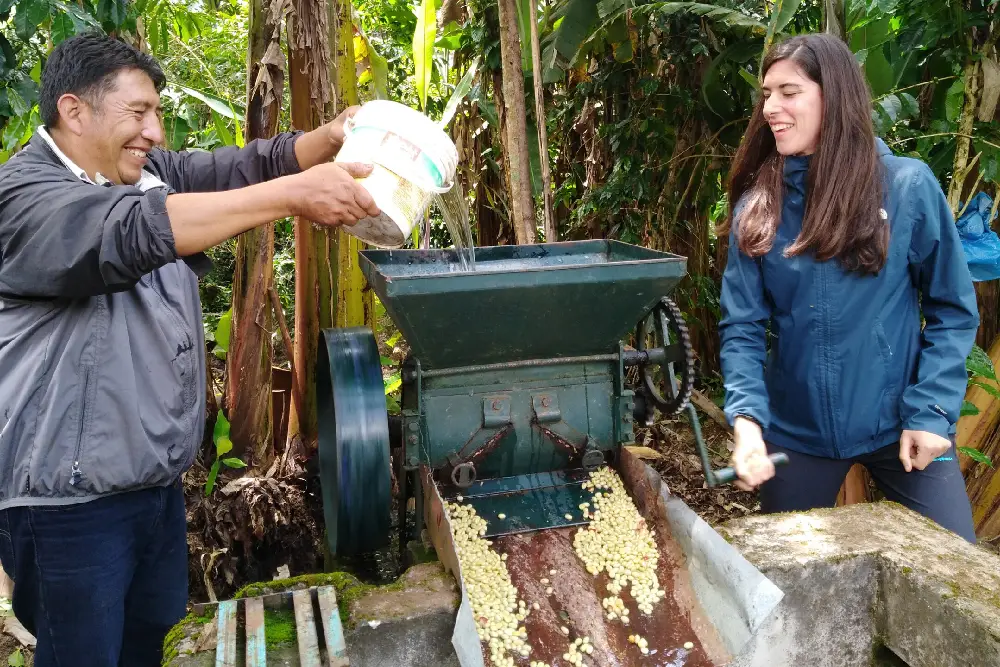
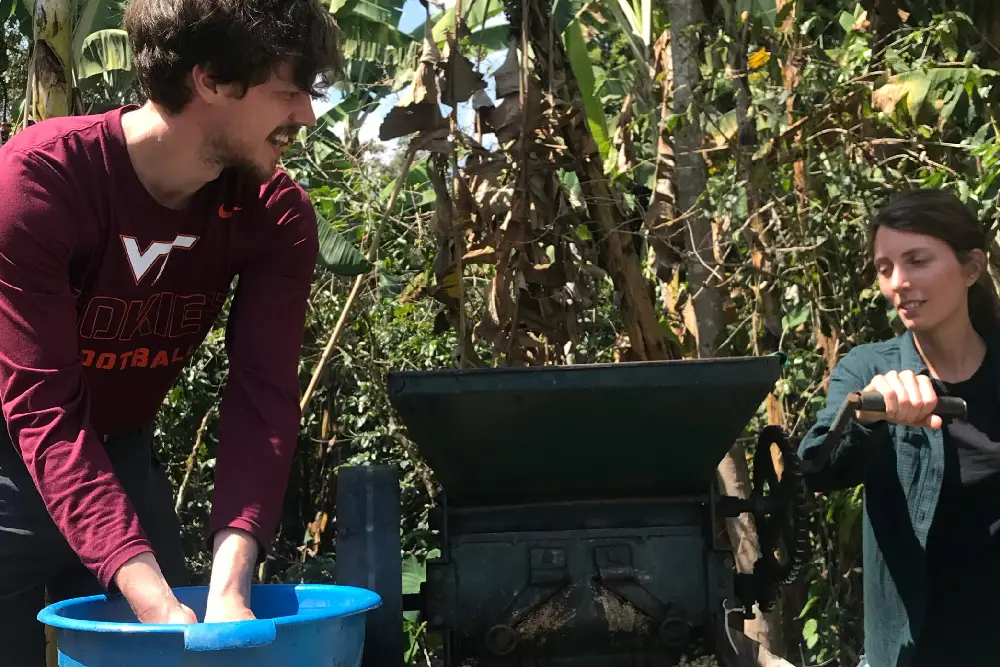
The process includes hand harvesting, depulping, fermentation, washing, drying, and finally roasting. Each stage is crucial to ensure the quality of the coffee, and visitors have the opportunity to observe and participate in these activities, learning from local experts.
Visits to Coffee Plantations: An Authentic Experience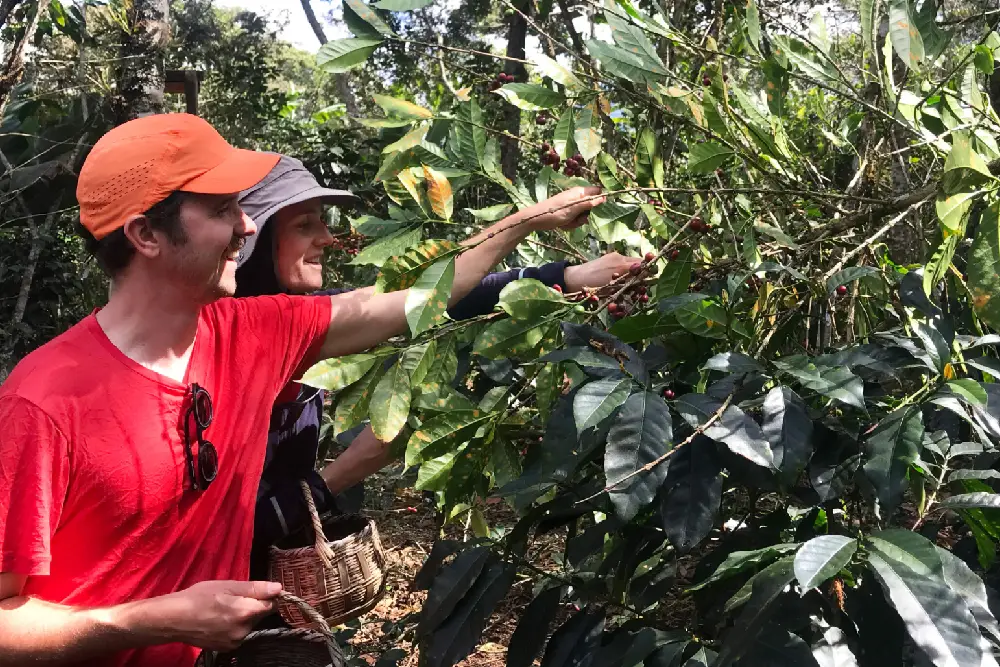
Connection with Farmers
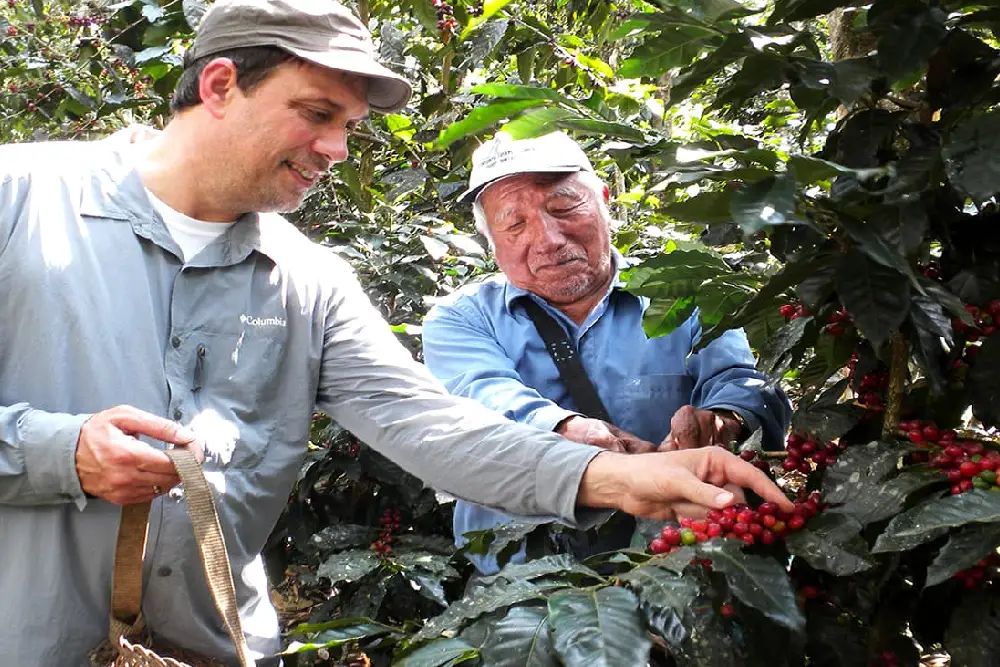
Visits to coffee plantations are an essential part of the Coffee Route. These visits allow tourists to experience firsthand the natural environment where coffee is grown. Guided by experienced farmers, visitors can explore the plantations, learn about sustainable agricultural techniques, and understand the challenges and rewards of coffee cultivation.
Impact of Sustainable Techniques
It is an opportunity to connect with the land and the people who make an exceptional cup of coffee possible. Moreover, these visits highlight the commitment of local communities to sustainability and environmental conservation.

La Importancia del Café en la Economía Local
Source of Income for Families
Coffee cultivation in the Sacred Valley is not only a tradition but also a vital source of income for many local families. The production of quality coffee has allowed rural communities to improve their living conditions and promote economic development.
Contribution to Sustainable Development
The Coffee Route emphasizes this importance, showcasing how coffee contributes to the local economy and fosters sustainable growth in the region.
Tastings and Workshops: Learning About Quality Coffee
Differentiation of Varieties
One of the most attractive parts of the Coffee Route is the opportunity to participate in tastings and workshops. Visitors can learn to differentiate between coffee varieties, identify flavors and aromas, and understand what makes a coffee high quality.
Education from Coffee Experts
These workshops are led by expert baristas and roasters, offering a comprehensive and enriching education on coffee.
The Impact of Coffee Tourism on Local Communities
Job Creation and Infrastructure Improvements
Coffee tourism has had a positive impact on the communities of the Sacred Valley. It has created jobs, improved infrastructure, and fostered a sense of pride and preservation of local traditions.
Incentive for Sustainable Practices
Additionally, it has encouraged the adoption of sustainable practices in agriculture, helping to preserve the environment. Tourists participating in the Coffee Route contribute directly to the well-being of these communities.
Conservation and Sustainability in Coffee Production
Ecological Agricultural Practices
Coffee production in the Sacred Valley is increasingly focused on conservation and sustainability. Farmers are adopting ecological practices to minimize environmental impact, such as using organic fertilizers and cultivation techniques that preserve biodiversity.
Reforestation and Conservation Projects
Moreover, many plantations are involved in reforestation and water conservation projects. These initiatives not only ensure the quality of the coffee but also protect the natural environment for future generations.