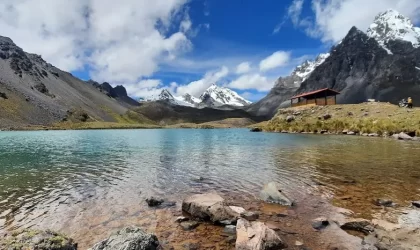
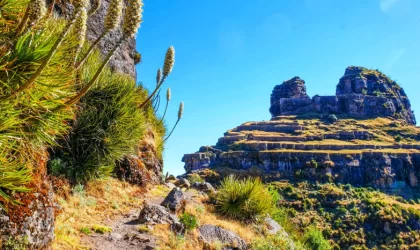
Qeswachaca and the 4 Lagoons: The Last Inca Rope Bridge & Andean Lakes Circuit
A full-day journey south of Cusco to cross the world’s last handwoven Inca suspension bridge and drive past four glassy Andean lagoons — Pomacanchi, Acopia, Asnaqocha and Pampamarca.
Chat with a local travel advisor on WhatsApp in minutes.
What is Qeswachaca?
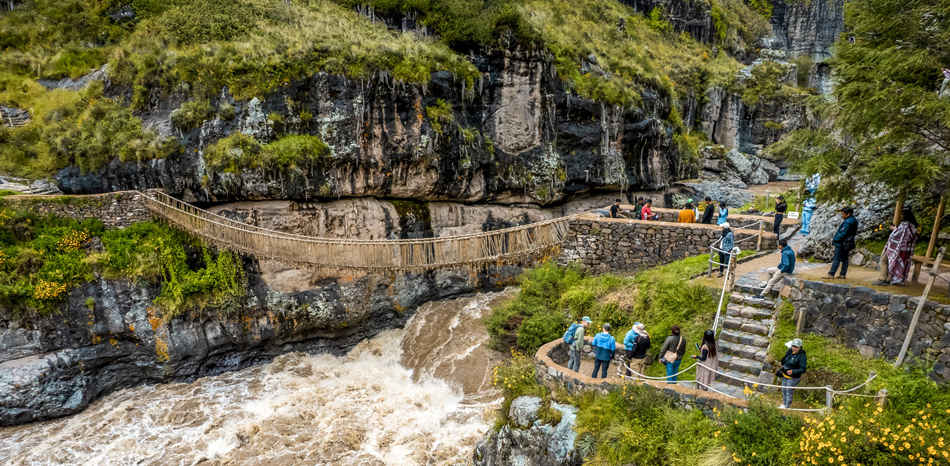
Qeswachaca (also written Q’eswachaka or Keshwa Chaca) is the last surviving Inca rope bridge in the world, suspended roughly 15 meters above the Apurímac River in the district of Quehue, province of Canas — about three and a half hours south of Cusco. The name comes from the Quechua words q’eswa (“braid” or “rope”) and chaka (“bridge”), a literal description of how it is built: entirely from twisted ichu grass, with no nails, cables or modern materials.
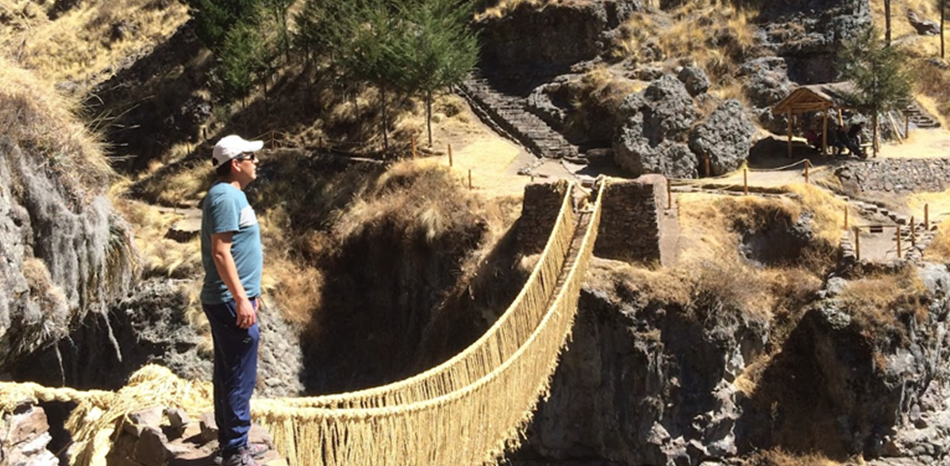
What makes Qeswachaca extraordinary isn’t just its age — it’s that the bridge is alive. Every June, four Quechua-speaking communities (Huinchiri, Chaupibanda, Ccollana Quehue and Choccayhua) gather for a three-day ritual to weave new ropes and rebuild the bridge from scratch, exactly as their ancestors did over 500 years ago. UNESCO declared this renewal ceremony Intangible Cultural Heritage of Humanity, recognizing it as a living link to the Inca road system, the Qhapaq Ñan.
🧵Did you know? The bridge is roughly 28–33 meters long and 1.2 meters wide. It is completely rebuilt every year, so the ropes you walk on are never more than twelve months old.
The Four Lagoons circuit
On the drive out to Qeswachaka, the road threads past a chain of high Andean lagoons that are as much a part of the experience as the bridge itself. Each one has its own character, birdlife and photo opportunities.
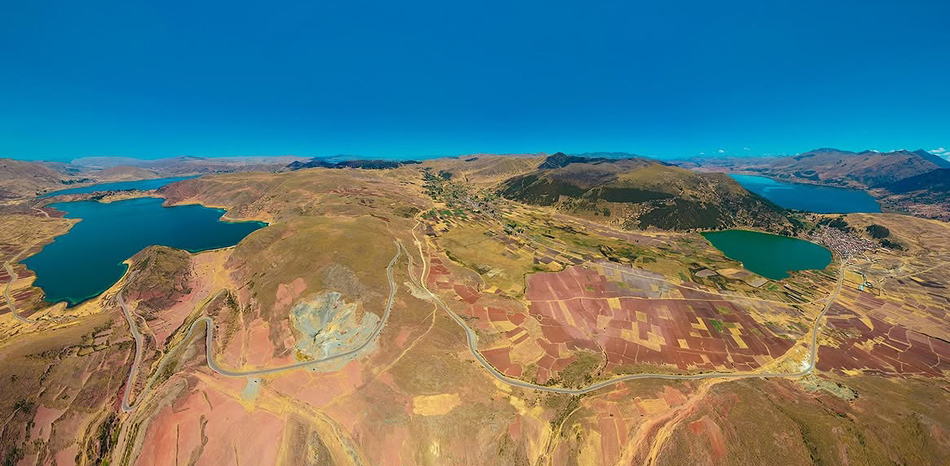
Pomacanchi
The largest of the four, ringed by farmland and often dotted with wild ducks and Andean gulls.
Acopia
A quiet, mirror-still lake favored by local fishing communities and migratory birds.
Asnaqocha
Framed by rugged hillsides, this is the circuit’s best photography stop for dramatic landscapes.
Pampamarca
Known locally as Tungasuca, this lagoon offers the most peaceful, panoramic views of the four.
Depending on your operator, you’ll stop at each lagoon for 5–15 minutes — enough time for photos, a short walk along the shore, and a briefing from your guide on the flora and fauna of the Canas high plains.
Full-day itinerary
-
5:00–6:00 AM
Hotel pickup in Cusco
Private or shared transport departs the historic center heading south through the Cusco valley.
-
~8:00 AM
Breakfast stop
A traditional Andean breakfast in Combapata or Yanaoca before continuing the drive.
-
Mid-morning
The Four Lagoons
Stops at Pomacanchi, Acopia, Asnaqocha and Pampamarca for photos and short walks.
-
~12:00 PM
Arrival at Qeswachaca Bridge
A short 10–15 minute walk to the viewpoint, guide explanation, and time to cross the bridge if you choose.
-
Early afternoon
Lunch
A hearty local buffet lunch, often including trout, quinoa and native potatoes.
-
~4:30–6:00 PM
Return to Cusco
Drop-off at your hotel after an optional stop at a colonial-era viewpoint along the way.
Planning your South Valley adventure?
We’ll help you fit Qeswachaka into your Cusco itinerary — with private transport, English or Spanish-speaking guides, and dietary options included.
Qeswachaca vs. Rainbow Mountain: which day tour fits you?
Both are classic full-day trips from Cusco, but they offer very different experiences. Here’s how they compare:
| Feature | Qeswachaca & 4 Lagoons | Rainbow Mountain |
|---|---|---|
| Focus | Living Inca culture & lagoons | High-altitude scenery |
| Max altitude | ~4,000 m | ~5,200 m |
| Walking required | Minimal (10–15 min) | Moderate to strenuous |
| Crowd levels | Low | High |
| Best for | Culture lovers, families, easy altitude | Trekkers, landscape photographers |
| Typical duration | ~11 hours | ~12–13 hours |
Difficulty & altitude
This is one of the gentlest full-day tours near Cusco. Most of the day is spent in the vehicle, with only a short 10–15 minute walk down to the bridge (and the same back up). Still, the region sits above 3,700 meters, so altitude — not distance — is the real factor to plan around.
⚠️Acclimatize first. Spend at least one full day in Cusco (3,400 m) before this tour. Drink coca tea, stay hydrated, and tell your guide immediately if you feel dizzy, nauseous or short of breath.
What to pack
Clothing
- Layers — mornings are cold, afternoons warmer
- Light waterproof jacket
- Sturdy walking shoes with grip
Sun & altitude
- Sunscreen and a hat
- Sunglasses
- Coca tea or altitude tablets
Essentials
- Reusable water bottle
- Cash in soles for tips or crafts
- Camera — this is a photographer’s dream day
Frequently asked questions
Do I have to cross the rope bridge?
No — crossing is completely optional. A modern bridge sits right beside Qeswachaka for anyone who prefers not to walk the original.
Is the bridge safe?
Yes. It is rebuilt every June by local communities using techniques passed down for over 500 years, and it comfortably supports visitors crossing single file.
What’s the best time of year to visit?
May through September (dry season) offers the clearest skies and easiest travel. If you want to witness the actual bridge-rebuilding ceremony, plan your trip for the second week of June.
Can I combine this tour with other South Valley sites?
Yes — some itineraries add Tipón, Pikillacta or Andahuaylillas. Ask your travel advisor to help you design a combined day.
Cross the last Inca rope bridge with a local team you can trust
Private and small-group departures available year-round. Get a same-day response on WhatsApp.