Warari Caves: The Weeping Grottos at the Heart of Chumbivilcas
Warari Caves: The Weeping Grottos at the Heart of Chumbivilcas
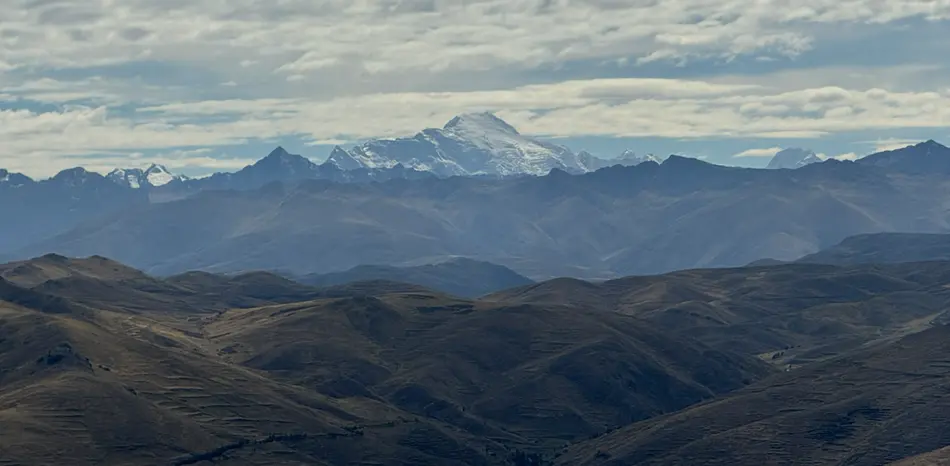
Just 2 km from the village of Livitaca, at 11,300 ft (3,450 m) altitude, the longest caves in the Cusco department open up — a world of rock, water, and silence that naturalist Antonio Raimondi was already documenting in 1865.
Origin of the Name
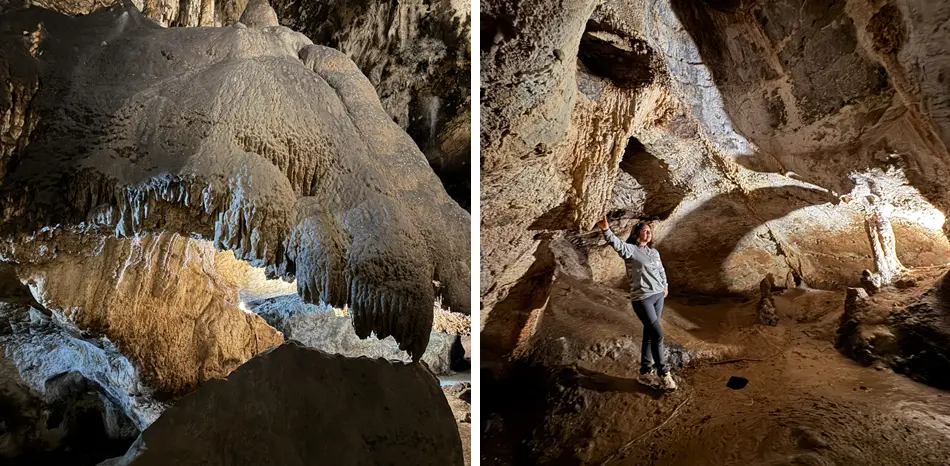
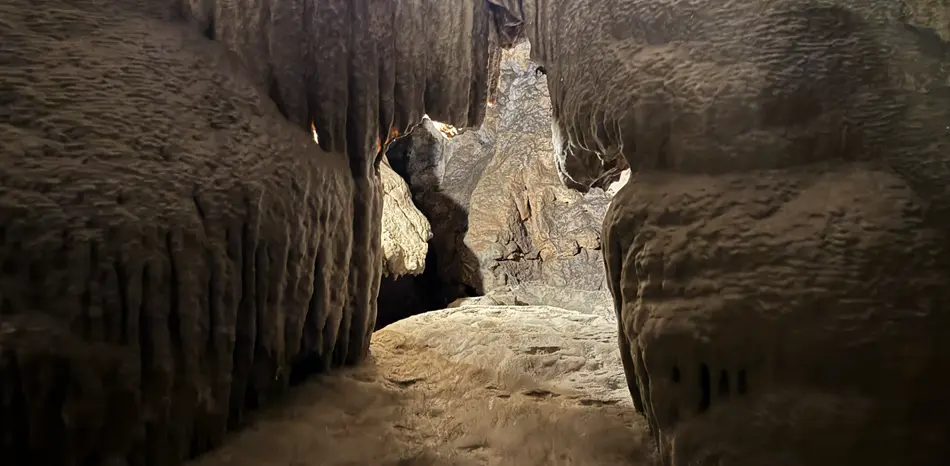
The name Warari derives from the Quechua waqariy, meaning “weeping” or “to cry.” The word evokes the constant dripping of water along the cave walls and ceiling, creating a unique soundscape where silence alternates with the murmur of water. That same water, saturated with calcium carbonate, is responsible for the geological formations that make Warari one of the most singular natural attractions in the southern Andes.
Physical Characteristics of the Cave
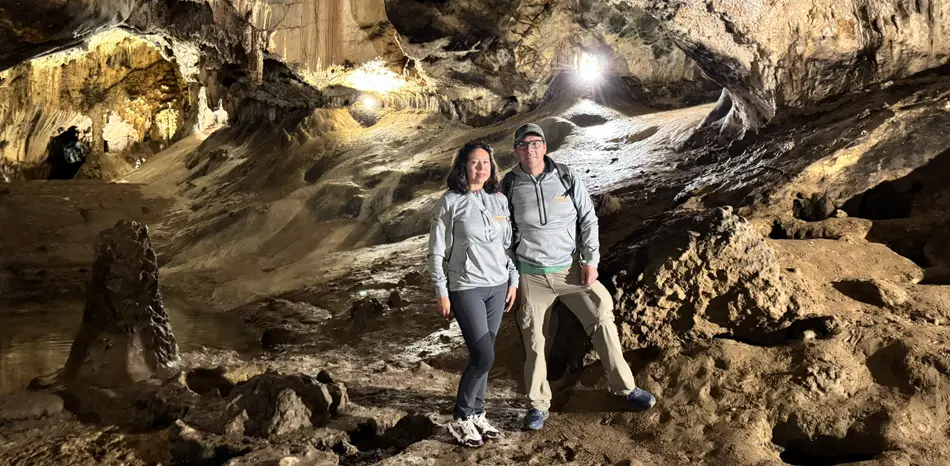
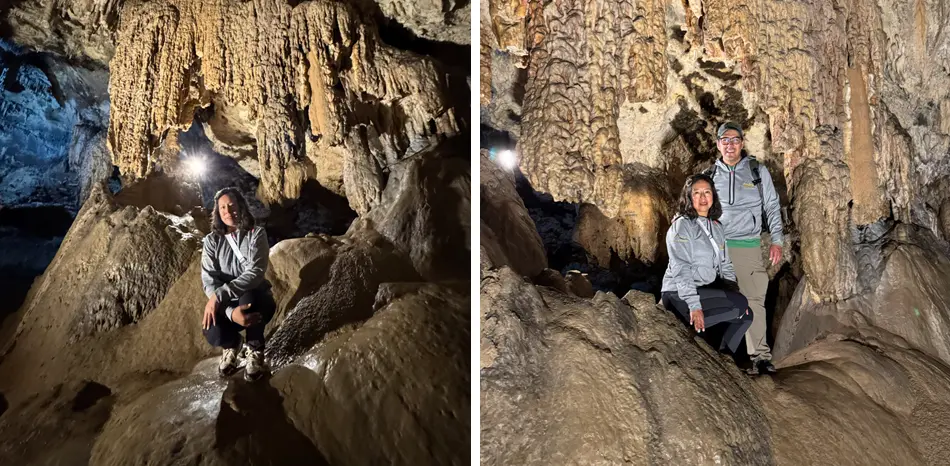
With a total length of 255 feet (78 meters), the Warari Caves form a system of chambers of varying dimensions. The main chambers reach up to 164 ft (50 m) long by 108 ft (33 m) wide, with heights up to 115 ft (35 m) in the largest spaces. Near the entrance, passages narrow to about 5.7 ft (1.75 m) in height, which requires some physical flexibility but no specialized technical equipment.
Notable Geological Formations
Millennia of calcium carbonate dripping have sculpted figures that local communities name after recognizable objects or animals:
- The Condor
- The Baptistery
- The Oven
- The Candles
- Stalactite and stalagmite columns
- Translucent calcite curtains
📌
Flora and Fauna in the Surroundings
The grottos sit within the Andean suni ecological zone, characterized by sparse vegetation dominated by ichu (bunch grass) and cantuta. The surrounding area is home to Andean fox (Lycalopex culpaeus) and viscacha (Lagidium viscacia), as well as raptors that exploit the thermal currents rising from the nearby canyon.
History of Exploration
Italian naturalist Antonio Raimondi was the first to document the Warari Caves for the scientific community, during his passage through Livitaca in 1865 on his mineral and natural history expedition through southern Peru. Since then, the site has been described as the longest known cave in the Cusco department.
How to Get There
| Origin | Route | Distance / Time |
|---|---|---|
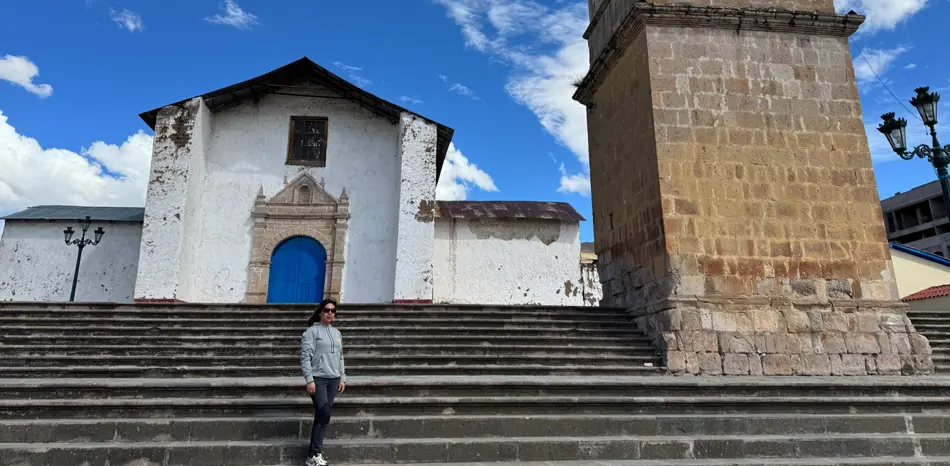
| Cusco | Toward Santo Tomás (Chumbivilcas capital), then to Livitaca. Caves are 2 km from the village. | ~143 mi (230 km) · 5–6 h by car or inter-district bus |
| Livitaca village | Dirt track or on foot | 1.2 mi (2 km) · ~30–40 min walk |
🧭
Visiting Conditions
| Aspect | Detail |
|---|---|
| Altitude | 11,300 ft (3,450 m) |
| Explorable length | 255 ft (78 m) |
| Admission | Free (no official fee on record) |
| Difficulty level | Moderate (low passages in some sections) |
| Recommended season | May–October (dry season) |
| Essential gear | Flashlight, warm clothing, grip-soled boots |
⚠️
Explore the caves with a specialist guide
We organize visits to the Warari Caves combined with the archaeological and natural attractions of Chumbivilcas. Small groups, full logistics from Cusco.